Core Promise
Rather than simply promoting a hotel’s rooms, dining options, pool, and spa facilities, the goal is to co-create a framework for what guests can do and experience during their stay—and why they might choose to extend it.
The primary objective of this training is to examine the hotel’s existing amenities and develop a system of activities and experiences that leverage them.
3, 5, and 7-day guest programs
Drafting daily activity flows, weekly calendars, and structured programs tailored to various lengths of stay.
Task allocation and implementation plan
Defining who will lead each activity, where and when it will take place, and what materials are required.
Presenting to international guests
Ensuring that programs are communicated clearly to international guests and developing content suitable for global promotion.
A system for measuring outcomes
Tracking metrics such as length of stay, participation in activities, guest satisfaction, repeat visits, and the number of international guests.
An important distinction to note: While the training aims to ensure the development and implementation of these programs, the extent to which the length of stay increases will depend on the hotel’s initial conditions, pricing, marketing efforts, and the success of the execution. We will move forward by measuring the results.
Training Curriculum
I propose dividing the training into six complementary modules.
Module 1
Analyzing the hotel’s current state and potential
• Examining the property’s physical facilities and common areas.
• Assessing staff competencies and time availability.
• Addressing guest profiles, average length of stay, and seasonal requirements.
• Identifying areas where new experiences can be created.
Outcome: A list of opportunities and needs specific to the hotel.
Module 2
Designing activities and experiences
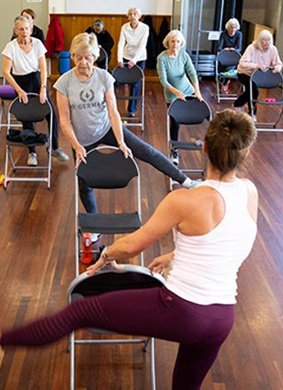
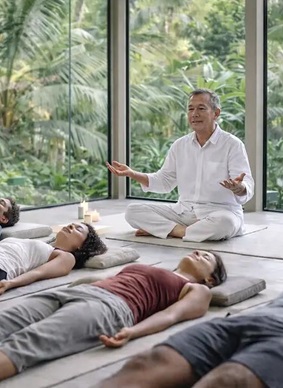
• Light physical activity, walking, breathwork, and relaxation exercises.
• Music, rhythm, dance, and group games.
• Socialization, arts and crafts, learning, and personal development.
• Rest, nature-based experiences, and leisure time.
• Entertainment and cultural activities aligned with the hotel’s concept.
Outcome: A pool of actionable activities and detailed activity descriptions.
Section 3
Creating 3, 5, and 7-day programs
• Planning morning, afternoon, and evening activities.
• Balancing active pursuits with periods of rest.
• Developing a schedule that minimizes repetition for guests arriving on different days.
• Designing options suitable for both short and long stays.
Deliverable: Draft daily and weekly programs.
Section 4
Preparing management and staff
• Coordinating management, front office, food and beverage, spa, and activity teams.
• Leading activities and encouraging guest participation.
• Scheduling times, spaces, materials, and responsibilities.
• Gathering feedback and evaluating daily implementation.
Deliverable: Task distribution and operational plan.
Section 5
Tailoring programs and promotion for international guests
• Preparing concise descriptions of activities that can be presented in foreign languages.
• Identifying activities that require no language skills or are easily adaptable.
• Creating sample program content for guests to review prior to their arrival.
• Exploring international promotional opportunities via ThermalTourism.com and @thermalhotels.
Deliverable: A draft of program promotional material for international guests.
Section 6
Implementation, evaluation, and development
• Selecting activities for a pilot implementation.
• Establishing metrics for participation and satisfaction.
• Tracking indicators such as length of stay and the number of international guests.
• Updating the program based on the results.
Output: An implementation schedule and tracking indicators.
Not all six sections need to be implemented with the same level of intensity at every hotel. Some hotels may require only a one-day analysis and planning session, while others might need hands-on training spanning several days.
On-site training flow at the hotel
As an example, we can design a two-day practical model. This is not a fixed-duration commitment; rather, it is an initial plan that can be shortened or expanded based on the hotel's specific needs.
Day 1 — Analysis and design
1. Opening and shared goals
Management and staff evaluate objectives regarding length of stay, guest experience, and targets for international tourists.
2. Facility assessment
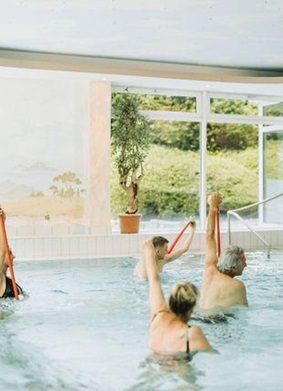
Identifying the potential use of the pool, spa, gardens, lounges, and other suitable areas.
3. Activity development workshop
Creating a range of activities tailored to the hotel’s resources and guest profile.
4. Program outline
Developing daily schedules and activity calendars for 3, 5, and 7-day stays.
Day 2 — Implementation and operational planning
1. Practical trial of activities
Staff execute selected activities, followed by an evaluation of team coordination.
2. Task and resource planning
Defining responsibilities, scheduling, required materials, and safety protocols.
3. Preparation for international promotion
Drafting program descriptions, sample daily schedules, and content for promotional materials.
4. Final assessment and roadmap
Establishing the launch date, assigning responsibilities, and setting initial evaluation criteria.
At the end of the training, the following documents can be prepared, depending on the hotel’s specific needs and scope:
• A report on the hotel’s existing facilities and opportunities for development.
• A pool of activities and detailed descriptions of each activity.
• Draft programs for 3, 5, and 7-day durations.
• Staff task distribution and an implementation checklist.
• A draft program presentation tailored for international guests.
• A plan for implementation and monitoring of outcomes.
Pricing
The hotel’s requirements and the scope of the requested services are assessed during an initial consultation. Subsequently, a tailored price proposal is presented to the hotel management, detailing the duration of the training, the content of the services, the deliverables, and any additional expenses—such as travel and accommodation—if applicable.
The fees for training and consulting services are finalized upon mutual agreement between the parties. Taxes and any additional expenses are clearly itemized within the proposal.